
At a glance
- Built for
- A calorie-tracking mobile app (Shorts in English and Russian) and three YouTube channels with no one on camera: home tips, true-crime documentaries, breaking-news investigations.
- My role
- I designed, built and run the pipeline: workflows, AI agents, rules, ~120 automation scripts, video assembly, autoposting. Claude Code did a lot of the typing; I still check every video myself.
- The task
- Researched videos, consistently, without hiring a whole production team.
- What I built
- An 8-stage pipeline that researches the topic, writes the script, assembles the video and posts it to seven channels.
- Timeline
- July 2026 – ongoing.
- Output (as of Nov 4, 2026)
- 63 explainers · 10 documentaries of 20–43 min · 4 news investigations · 175 scripts and 180 finished Shorts in two languages
- Results
- App: 179,761 views across seven channels in 22 days. Home-tips channel: 399,657 views and 8,964 watch hours in its first two months.
- Selected costs per video
- ~$1–5 for voice, images and AI review on long videos (not the full cost).
- Formats
- 16:9 and 9:16 · 45 seconds to 43 minutes · one language or two
One engine for 60-second Shorts, 15-minute explainers, news investigations and 40-minute documentaries. A person approves the topic and the final cut; AI agents do the rest. Two samples first:
Why this was built
YouTube with no one on camera and short-form video are a volume game: a channel needs good videos every week, an app needs Shorts every day.
By hand, that's a whole crew: researcher, scriptwriter, voice, editor, thumbnail designer, and someone to upload everything and track the numbers.
One-click generators didn't cut it either. The job needed research tied to sources, editing built for each channel, real footage and a human check before publishing. The brief had five requirements:
- Research first: each video gets its own research, each factual claim a reliable source.
- Real footage: generated images only where nothing real exists, never for faces of real people. The app asked for at least 80% real footage and no AI avatars ("tested by us and by the client: they don't work").
- Human-level editing: pacing, motion graphics, clean dialogue, steady loudness.
- Packaging built for clicks: thumbnails and titles based on what already wins in the niche.
- Speed: keep up with trends and switch fast to a new niche, format or language.
The app's starting point: a typical one of its 114 Shorts sat at 631 views, and a scan of 784 Shorts in the niche suggested its formats were among the weaker ones. It needed 120 scripts a month in two languages, published across seven channels.
How it works: eight stages, with a person at the start and the end
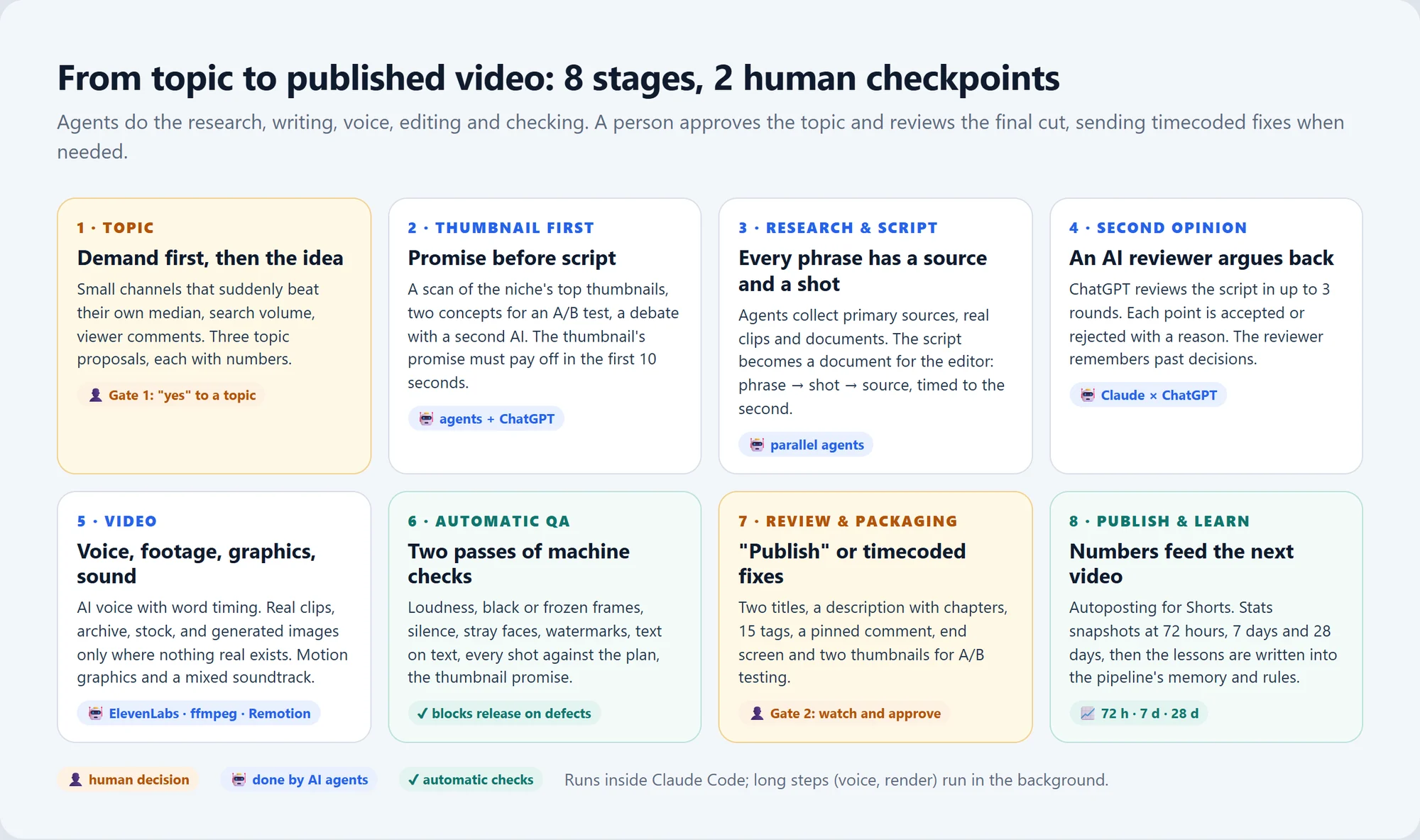
1. Topic: demand first
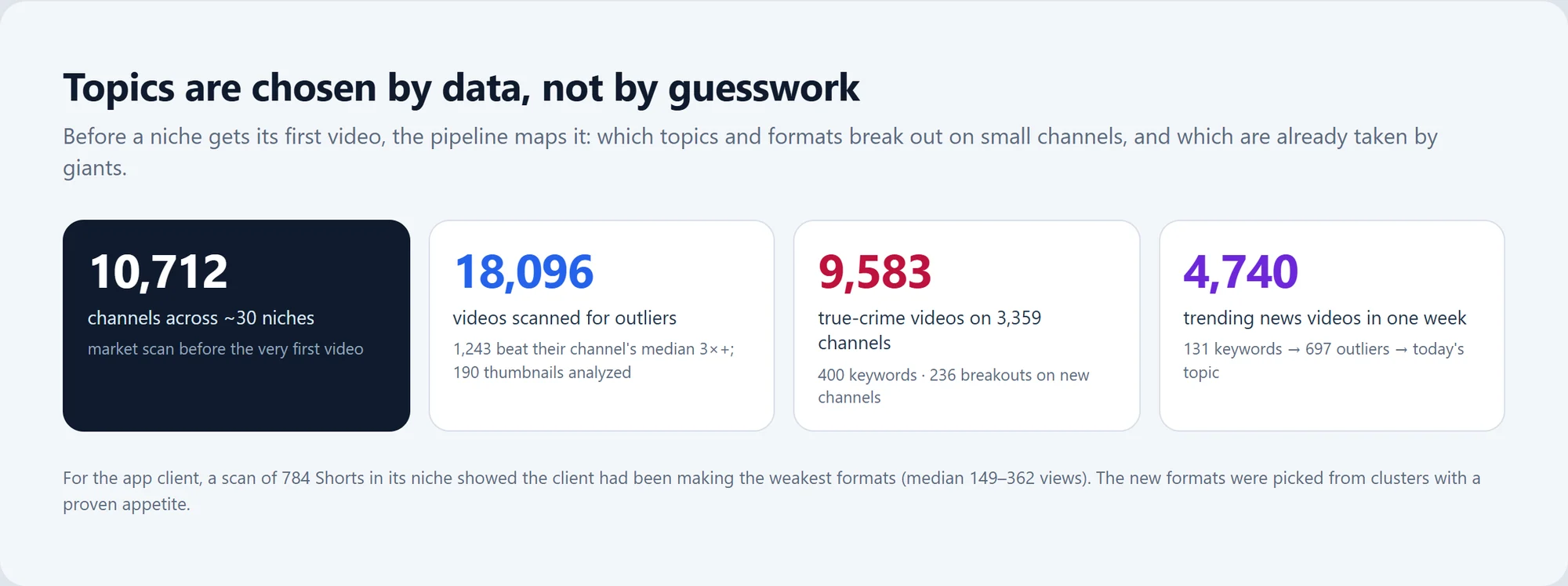
Topics come from data. Before a niche's first video, the pipeline maps it: videos that beat their own channel's median, especially on small channels, show that people want the topic, not a famous creator. Search volume and viewer comments add to the picture.
The owner gets three proposals: the viewer's problem, demand numbers, why now, format and risks. A "yes" to one is checkpoint 1.
2. The thumbnail before the script
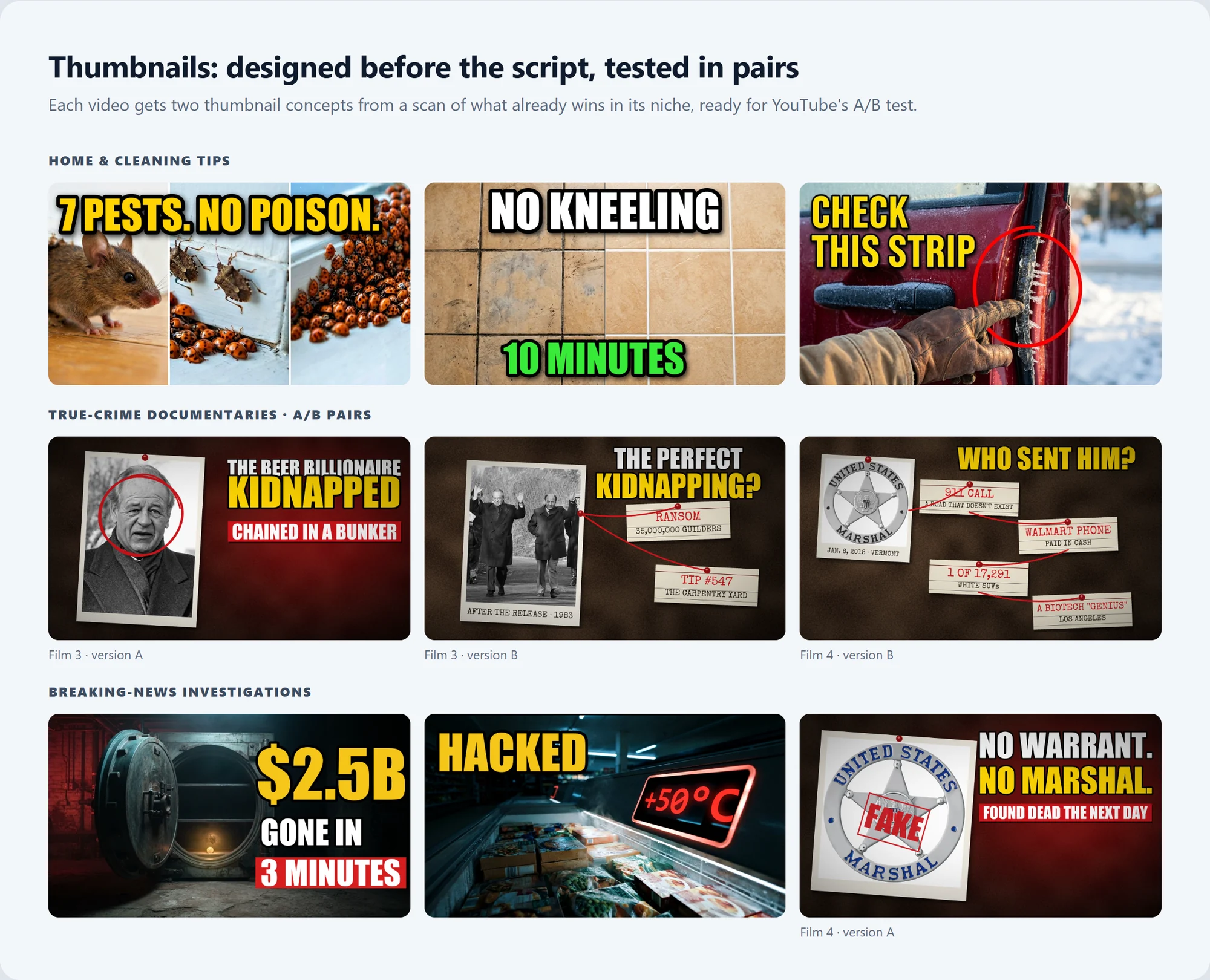
Viewers click on a promise, so the thumbnail comes first: two very different concepts for an A/B test, based on the niche's top performers and reviewed by ChatGPT against the audience and the opening.
The output is a written "promise of the first 10 seconds" that the script must keep, and a later check makes sure it does.
3. Research and script: every line has a source and a shot
Research agents work in parallel, pulling primary sources (court records, FBI files, manufacturer pages, university extension services, USDA), real clips with exact timecodes, documents and photos.
The script is an editor document: each spoken line comes with its shot, timecode, where to get the footage and the source behind the claim. A 15-minute explainer has 214 such shots; a 43-minute documentary, ~400.
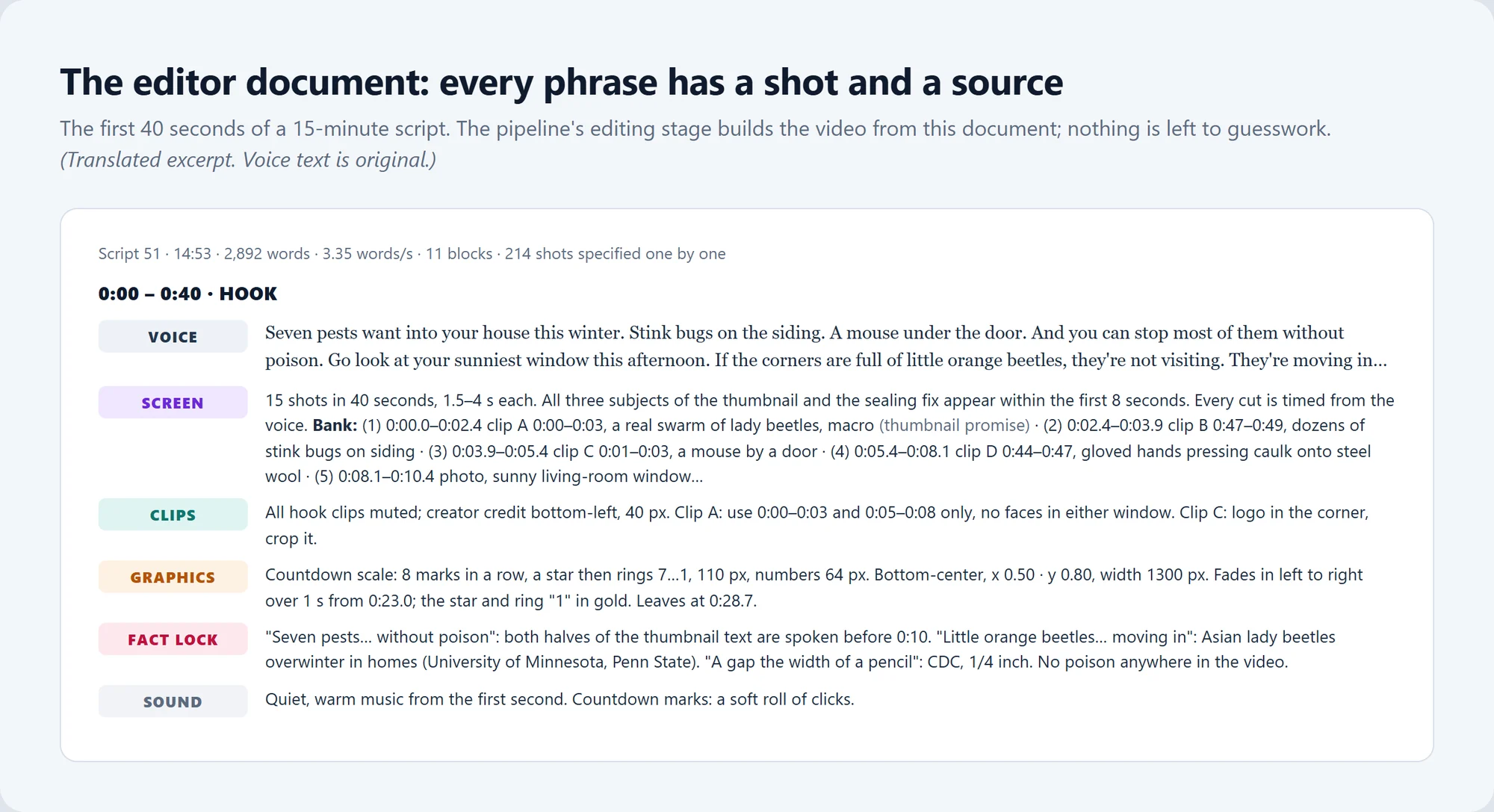
Before voicing, script checks cover speaking pace, call-to-action placement, banned words, hooks recycled from earlier videos, and whether the opening keeps the thumbnail's promise before 0:10.
4. A second opinion: ChatGPT reviews, Claude answers
ChatGPT reviews the script in up to three rounds. Each point is accepted, partly accepted or rejected, with a reason. Facts are settled by the primary source, style by the channel's own numbers, and a doubtful claim gets cut, not beefed up.
To avoid going in circles, the reviewer gets a short history of past disputes. On a 15-minute "winter pests" video, round one raised 14 points: 12 accepted, 2 partly. Two rounds cost $0.27.
5. Video: voice, footage, graphics, sound
- Voice: ElevenLabs with word-level timing, so every cut lands on the right word.
- Footage: the pipeline's own library of 6,123 clips first, then free stock, archive photos and documents, and short third-party clips with on-screen credit. Generated images come last, only for objects, places and silhouettes. One documentary used 84 real documents, 35 photos, 17 maps, 19 stock and 14 third-party clips, and 71 generated images.
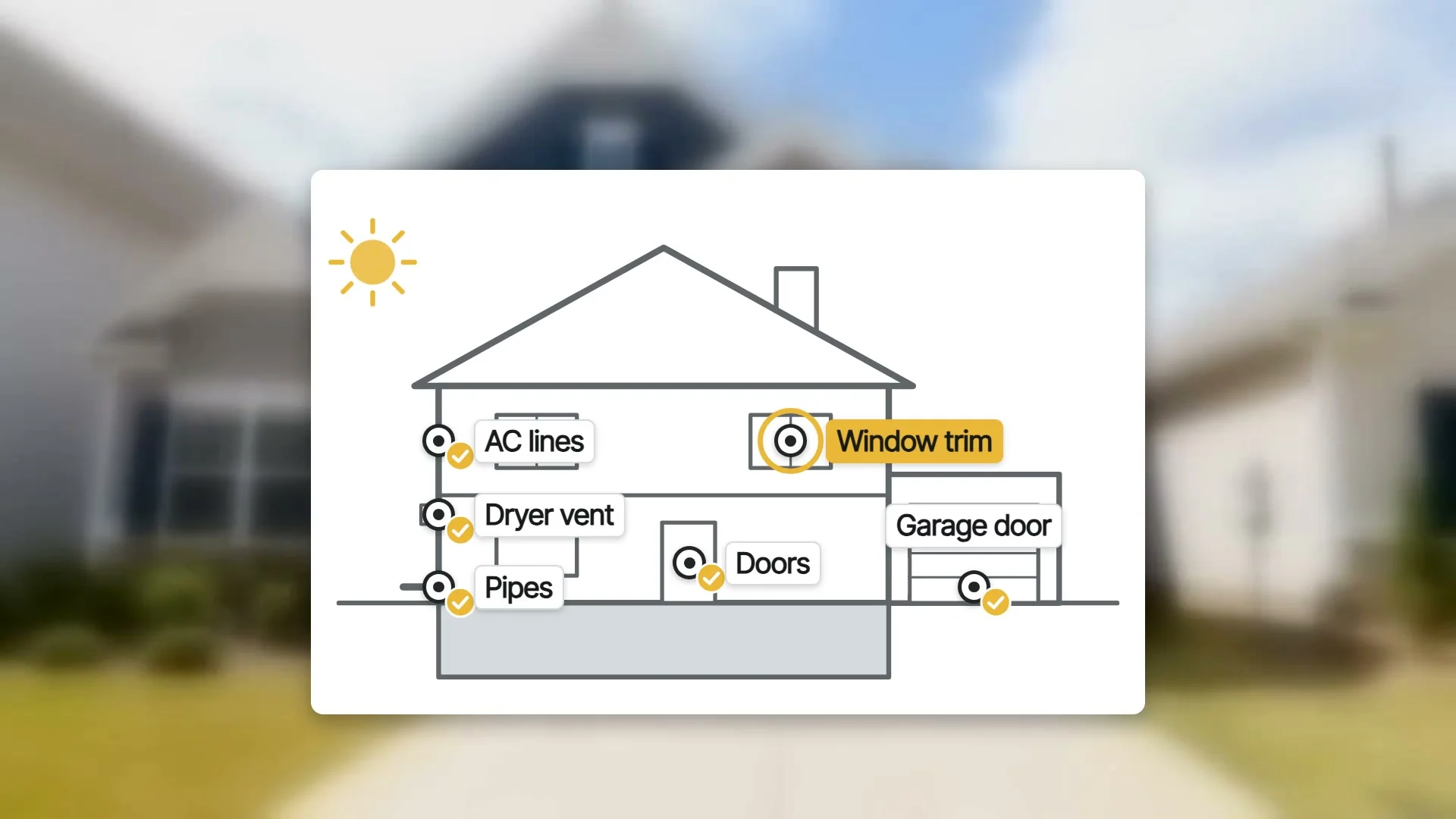
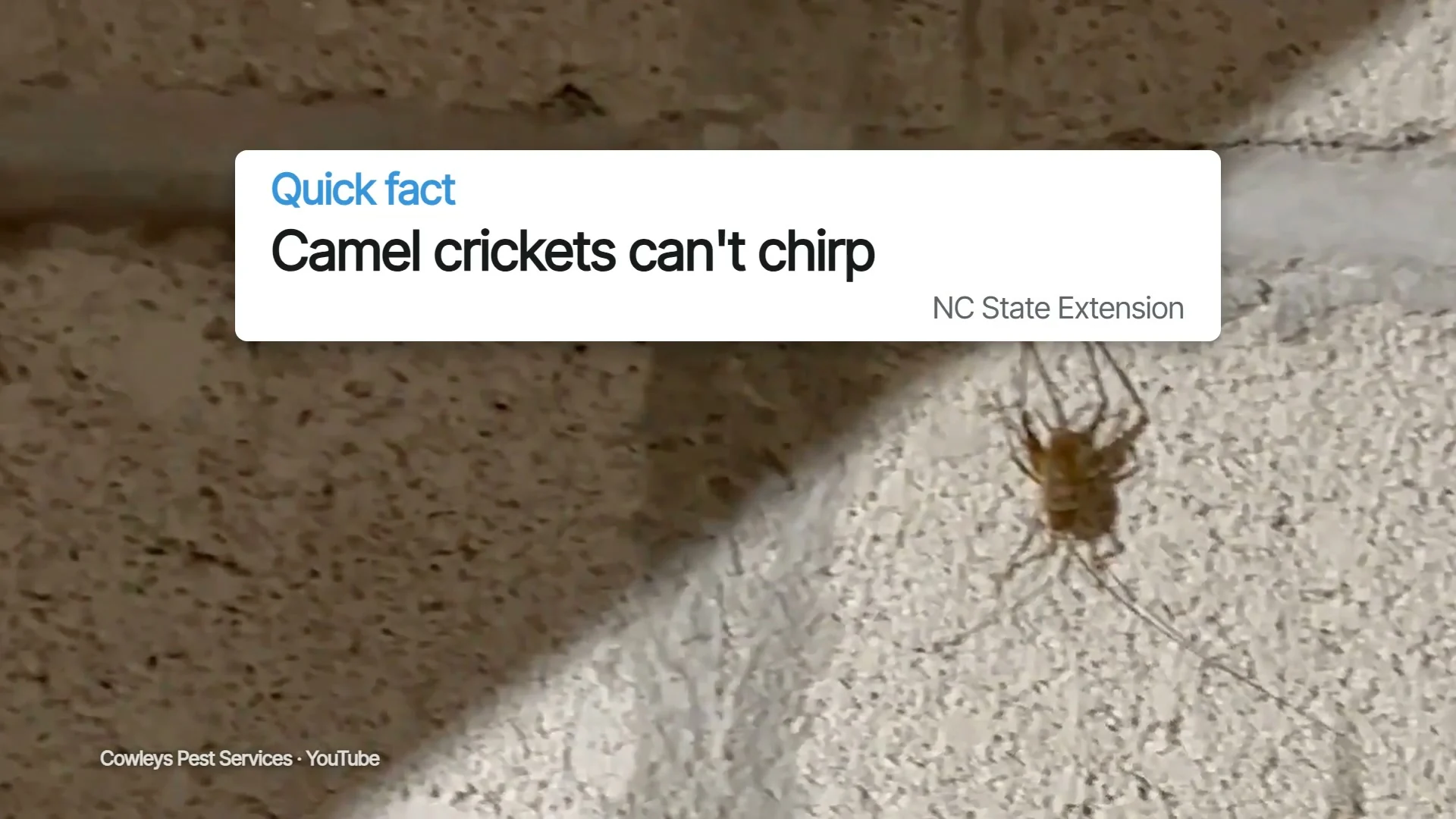
- Graphics: animated graphics styled per channel: route maps, evidence boards, timelines, highlighted documents, countdowns, "quick fact" cards.
- Sound: rights-free music, ducked under speech, volume leveled so the video never blasts or whispers.
About rights. A short clip and an on-screen credit don't by themselves give you the right to reuse someone's footage, and the pipeline doesn't clear rights: sourcing is agreed per project, and a stock-and-licensed-only workflow works too.
6. Automatic QA: two passes before a human
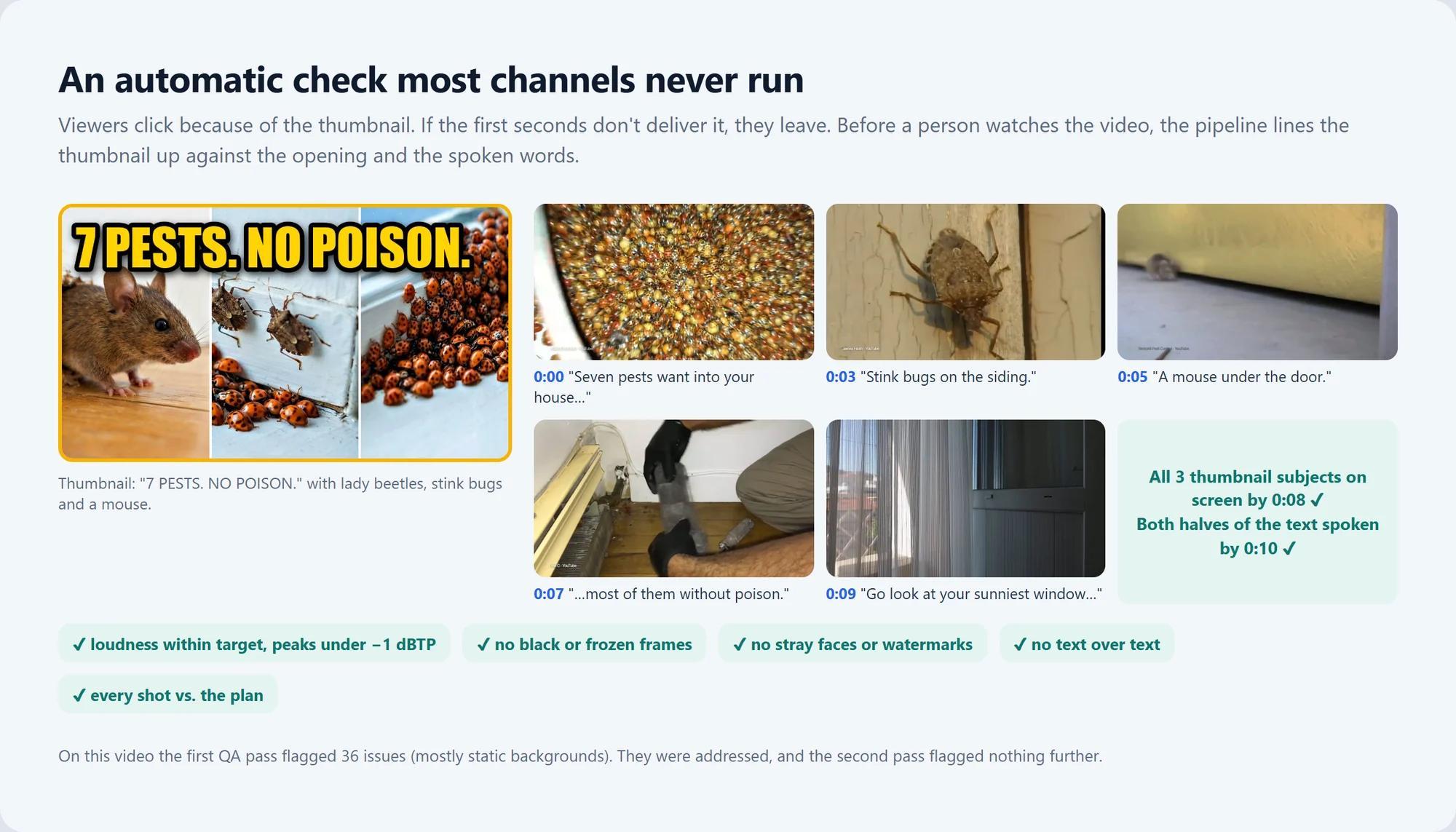
A script checks every final file: format and loudness, black or frozen frames, silence, picture gaps, faces outside the clips meant to show them, other platforms' watermarks, text over text. Contact sheets match every shot to the script: frame, planned shot, spoken words.
On "winter pests" the first pass flagged 36 issues, mostly static backgrounds that needed a slow push-in; after the fixes, the second pass flagged nothing further. Documentaries get one more step: one agent reports defects, another tries to disprove each report.
7. Review and packaging
The owner watches the video and publishes it or sends fixes with timecodes. Each fix becomes a rule, so the mistake doesn't repeat. That's checkpoint 2.
Packaging comes as a separate document: two titles, a description with chapters timed to the final cut, 15 tags, a pinned comment, an end screen and playlist, two thumbnails for YouTube's Test & Compare.
8. Publishing and learning
For the app, I built an autoposting module for seven channels and two languages.
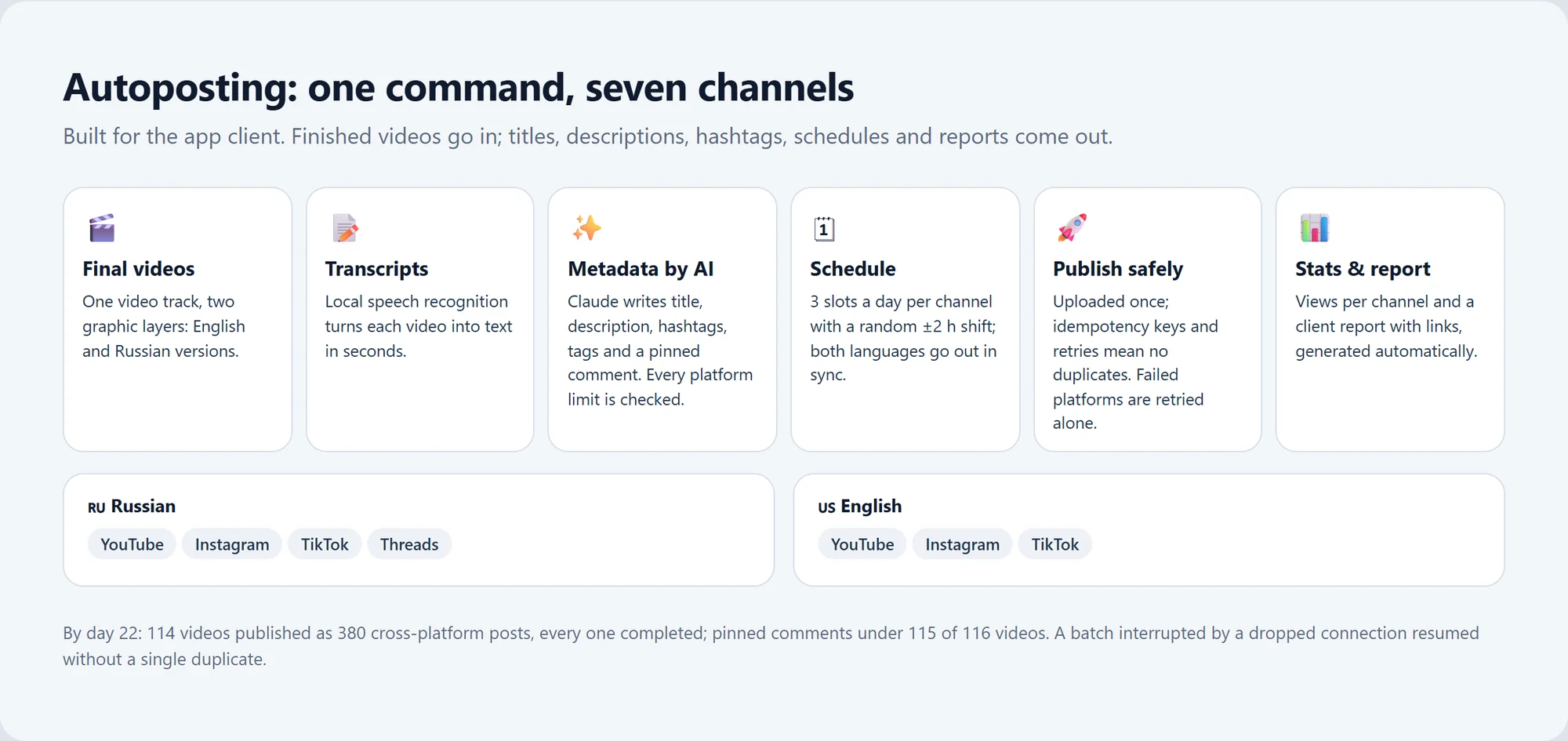
- Subtitles: local speech recognition.
- Metadata (title, description, hashtags, tags, pinned comment) by Claude, checked against every platform limit.
- Scheduling: three slots a day per channel, a random ±2-hour shift, both languages in sync.
- No duplicates: each file uploads once; if the connection drops, publishing resumes without the same video ever going out twice.
- A client report with links and views per channel.
In the first 22 days every post went through, and a batch cut off by a dropped connection resumed without a single duplicate.
Stats collect themselves: at 72 hours, 7 and 28 days each video is compared with the channel's usual numbers, and the lessons go into the pipeline's memory.
One engine, built to adapt: four niches so far
The pipeline started on one channel. Each new project reused the core and added only its own bits: a rules file, script templates, a voice and a graphics kit.
| Project | Format | What it showed |
|---|---|---|
| Home & cleaning tips (July →) | 16:9, 6–15 min explainers for a US audience aged 55+ | The core pipeline: 63 videos, 42 of them on the current channel in 9 weeks (~4.7 a week) |
| Shorts for a calorie-tracking app (Sep 17 → Oct 25) | 9:16, 45–72 s, English and Russian from one video track | Volume and a second language: 175 scripts in 25 days, 11 formats, autoposting to 7 channels |
| True-crime documentaries (Oct 9 →) | 16:9, 20–43 min, built on court records, FBI files and real audio | Depth: 10 films (6 h 10 min of video) in 18 days, the first three done the day after the start |
| Breaking-news investigations (Nov 2 →) | 16:9, 8–20 min, minute-by-minute reconstructions | Speed: a video 1–6 days after the event, 2.5–9.5 hours each, four investigations in two days |
By the way, the same engine also cut a travel vlog: in about 1.2 days, 310 raw files from four cameras and drones (4 h 40 min, ~118 GB) became three episodes, 1 h 43 min in total, plus CapCut projects for manual touch-ups.
Watch
Three more clips:
And frames from finished videos:
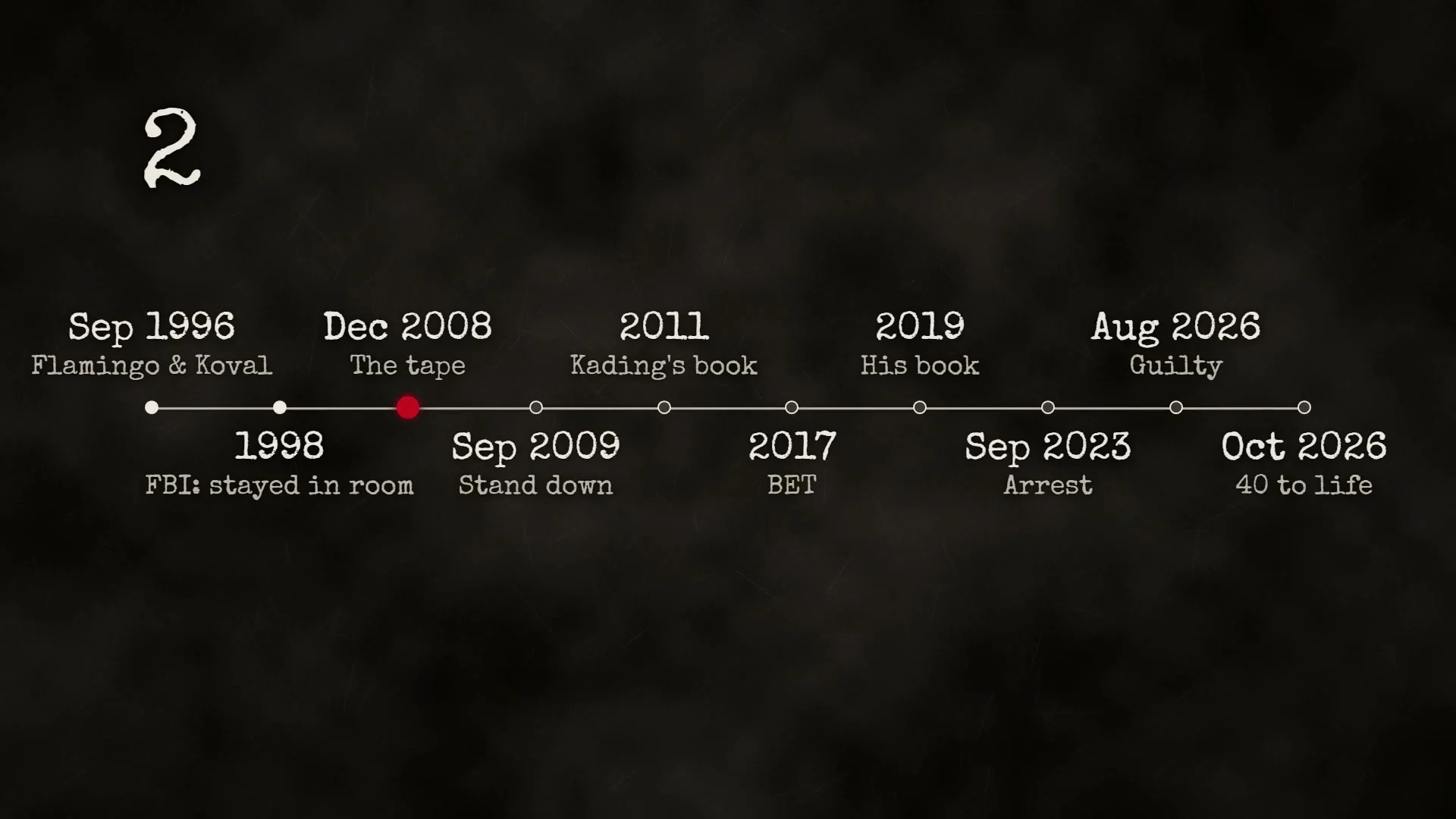
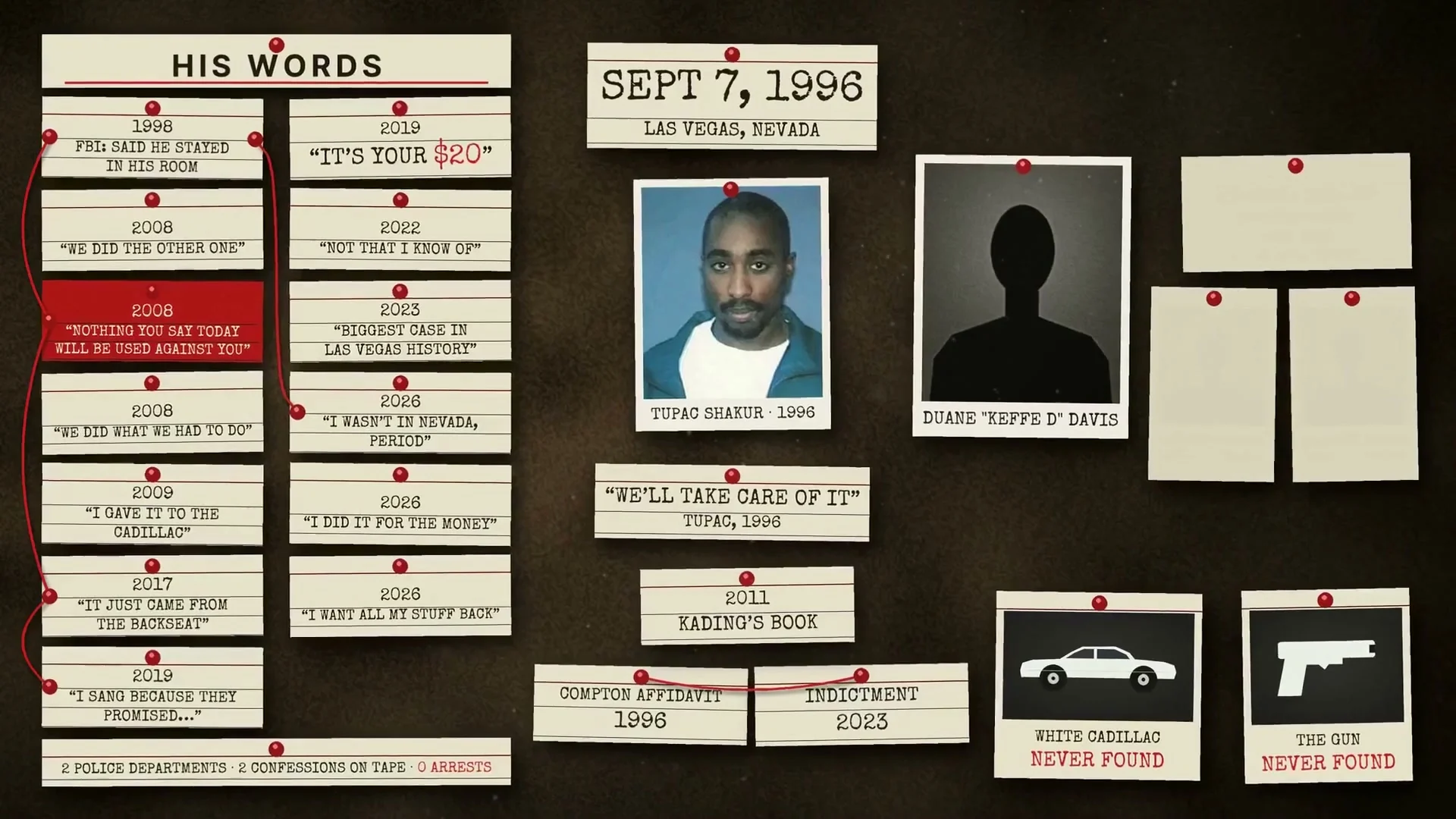
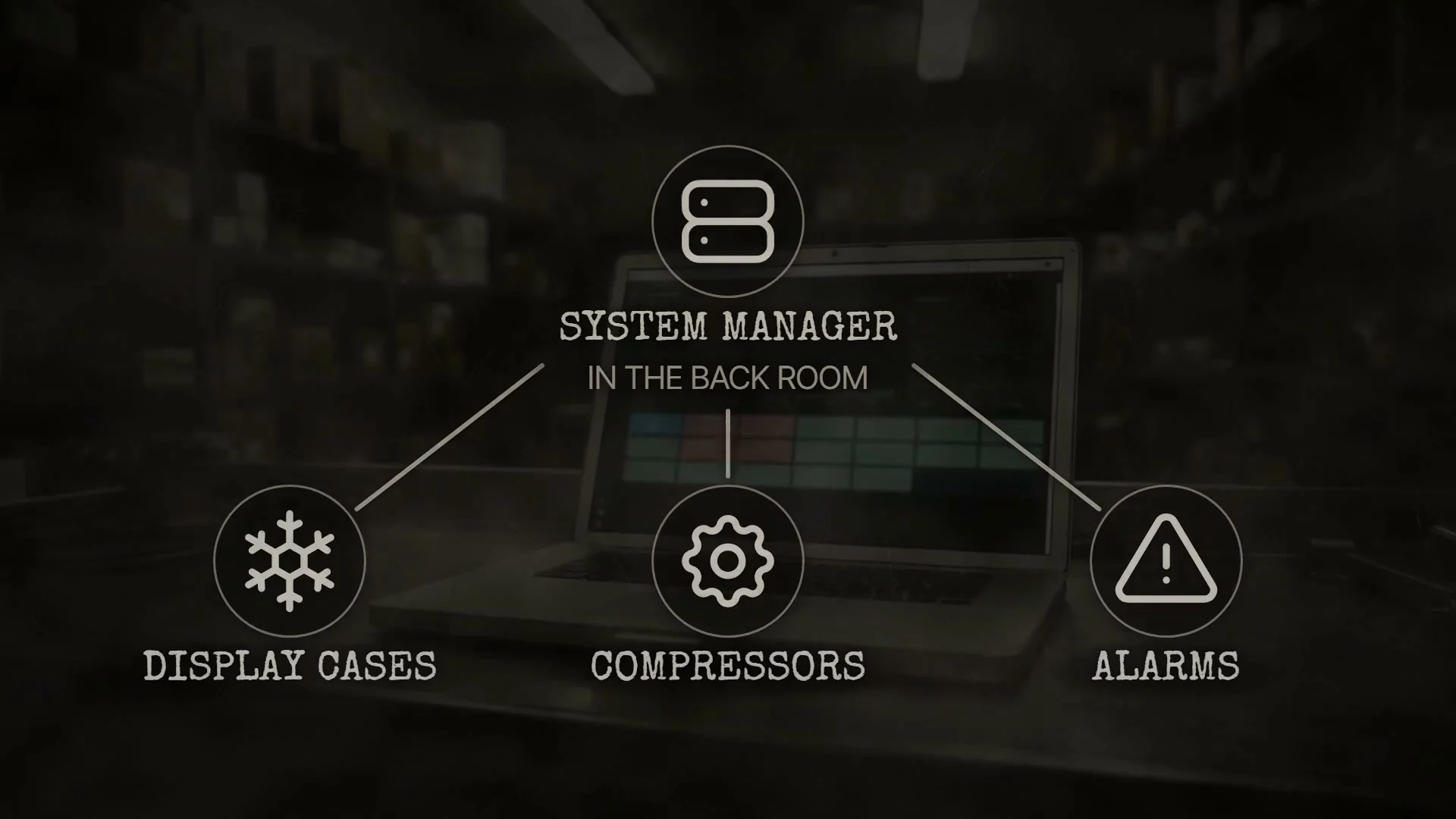
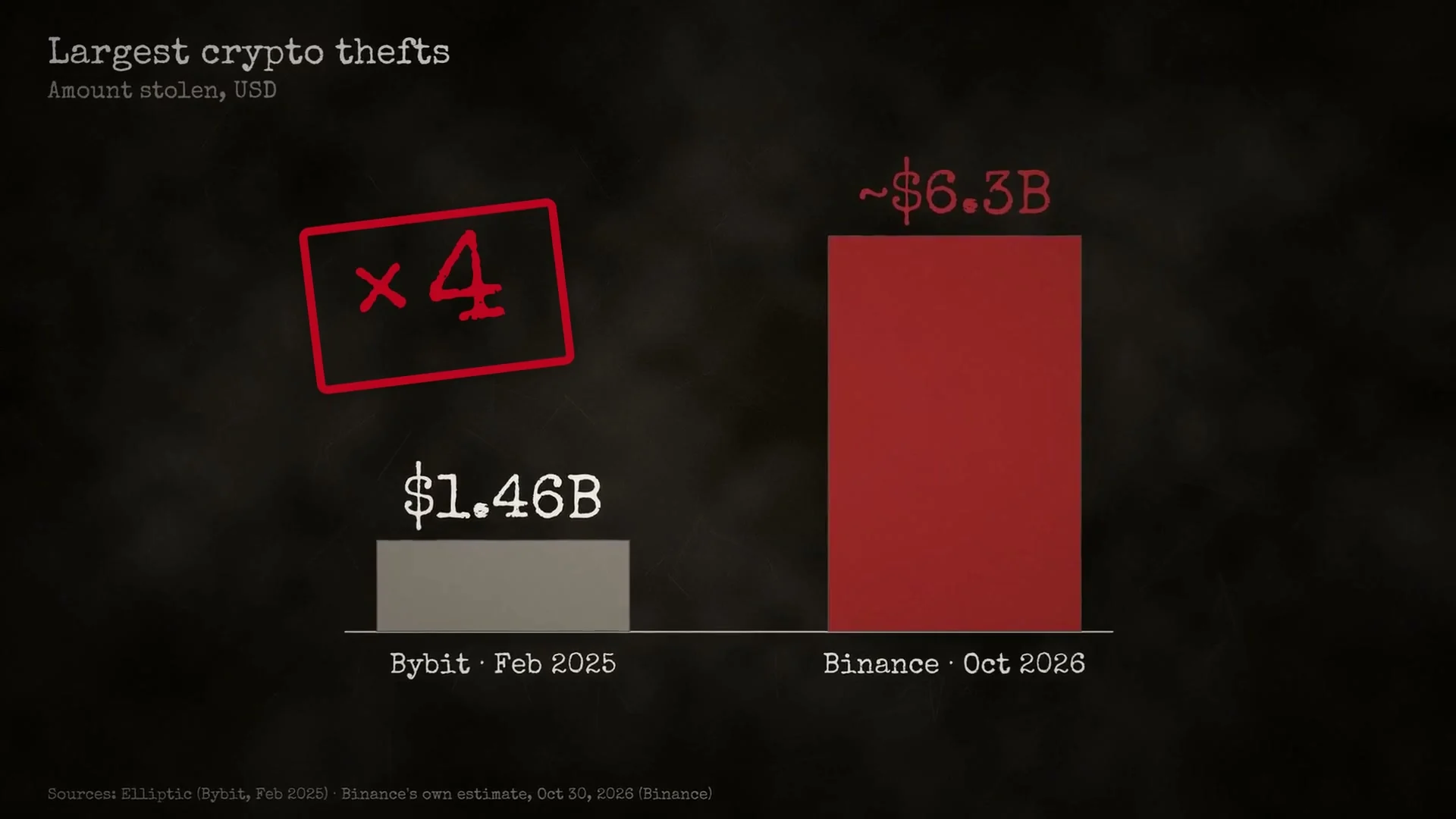

Results
The app: 179,761 views in 22 days
| Delivered | Count | Dates (2026) |
|---|---|---|
| Shorts scripts, each in English and Russian | 175 | Sep 17 – Oct 11 |
| Finished Shorts (90 topics × 2 languages, edited by the pipeline) | 180 | published Sep 22 – Oct 25 |
| Cross-platform posts in the first 22 days | 380 (114 videos on 7 channels) | Sep 22 – Oct 14 |
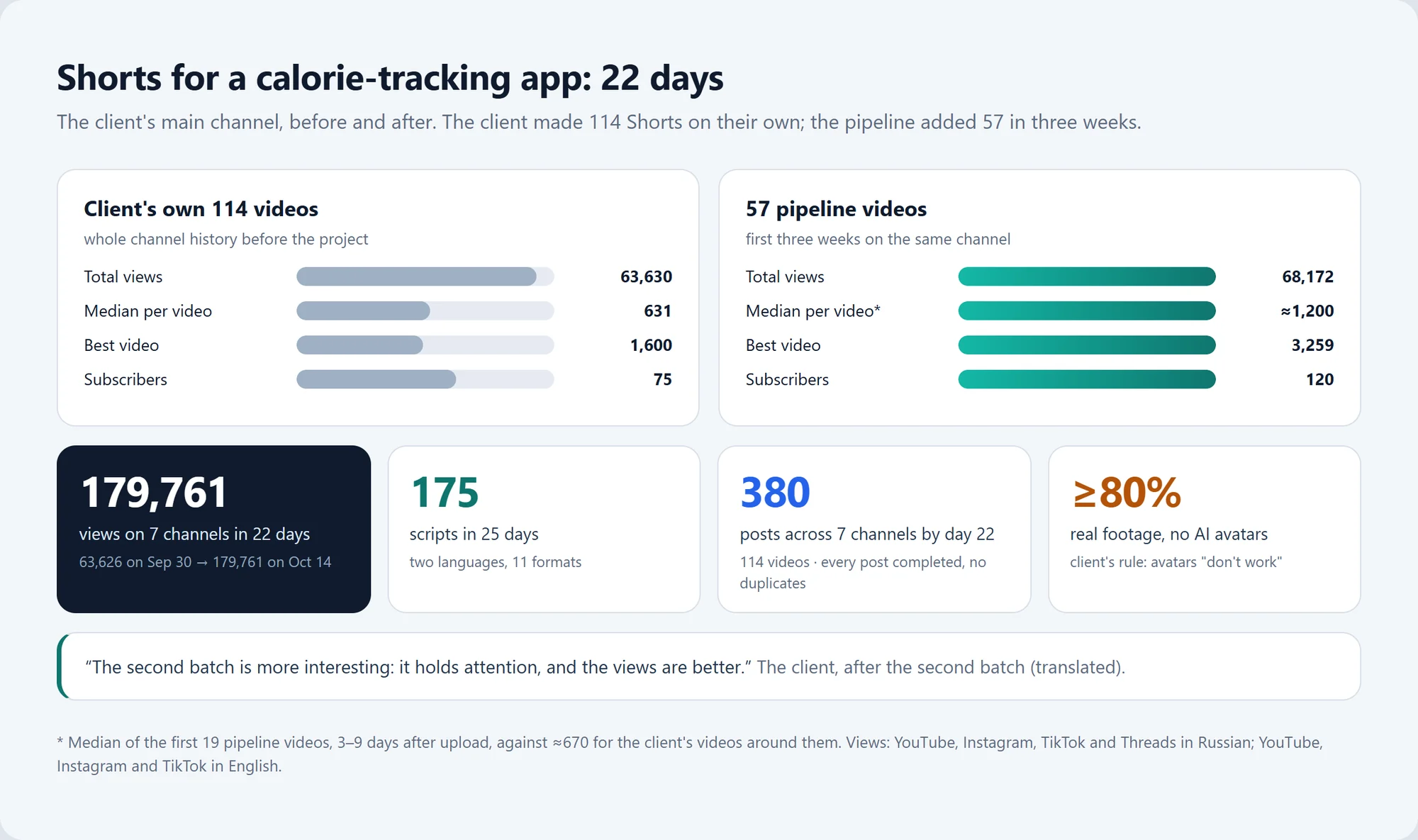
- On the main channel, 57 pipeline Shorts in three weeks got more views (68,172) than the client's own 114 Shorts in the channel's whole history (63,630).
- Medians: 631 views for the client's own Shorts over the channel's history, ~1,200 for the first 19 pipeline Shorts (measured 3–9 days after upload). Best video before the project: 1,600 views; best pipeline video on the main channel: 3,259. Subscribers: 75 → 120.
- All seven channels by Oct 14: 179,761 views, 2,250 likes and 160 comments, up from 63,626 cumulative views on Sep 30.
- Best Short overall: that 3,000-calorie "snack", 6,379 views.
- Feedback after the second batch: "More interesting: it holds attention, and the views are better." The client especially liked the football facts.
- No install or revenue data from the client, so it's views and engagement only.
Home-tips channel: from zero to 400K views in two months
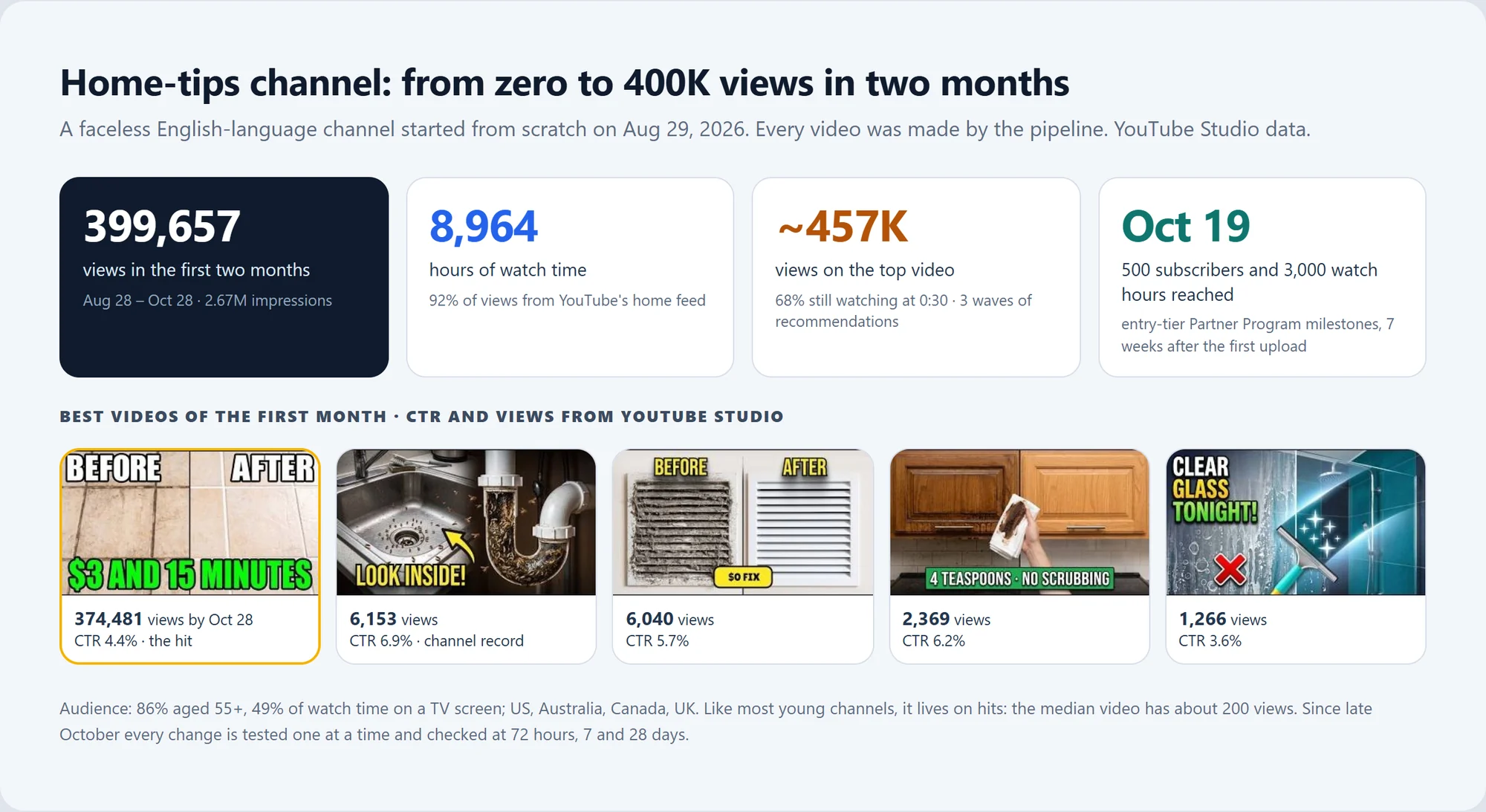
The channel launched from scratch on August 29, 2026, and every video on it was made by the pipeline.
- 399,657 views and 8,964 watch hours from Aug 28 to Oct 28 (the YouTube Studio export window), YouTube showed the videos 2.67 million times and 4.41% of those impressions turned into clicks (CTR).
- The hit: "How To Clean Grout — Without Bleach, Vinegar, Or $480 Pro Clean": 374,481 views by Oct 28, ~457,000 by Nov 3. 68% of viewers were still watching at 0:30, and YouTube pushed it in three separate waves.
- By Oct 19, seven weeks after the first upload: 500 subscribers and 3,000 watch hours, the entry-tier YouTube Partner Program milestones. Monetization setup was still in progress at the end of October.
- 92% of views came from YouTube's home feed: recommendations, not search.
Honestly, like most young channels, this one lives on hits. As of Oct 28 the median video had ~200 views, and October was weaker than September😅
The response is a logged testing process: change one thing at a time, review at 72 hours, 7 days and 28 days. The first video made this way beat its 7-day target in five days (1,286 views against 950). But one video isn't a trend yet.
Documentaries and news: production at scale
- True crime: nine of the 10 films were made in seven days. Each has its own research, a source map for every claim, and real court audio and documents.
- The documentary channel launched in mid-October, so YouTube barely shows it yet. Its best film gets a click from 5.26% of the people who see its thumbnail, holds viewers for 6:52 on average, and has the #6 spot in YouTube search for its case.
- News: each of the 4 investigations was rebuilt minute by minute from official statements, recordings and reports in several languages, with translated subtitles.
Faster and cheaper with every project
| Format | Recorded production time (elapsed) |
|---|---|
| 15-min explainer | 6 h 40 min from approved topic to final file for the first video in the unified pipeline, including 2 h 47 min of rework. Target: 2.5–3 h |
| 40-min documentary | ~1 h for the script plus 4–5 h for the edit; agents work largely unattended |
| News investigation | 2.5–9.5 h from topic to final file |
| Shorts | Scripts only: 40 in ~72 minutes of agent time; editing time per Short wasn't recorded |
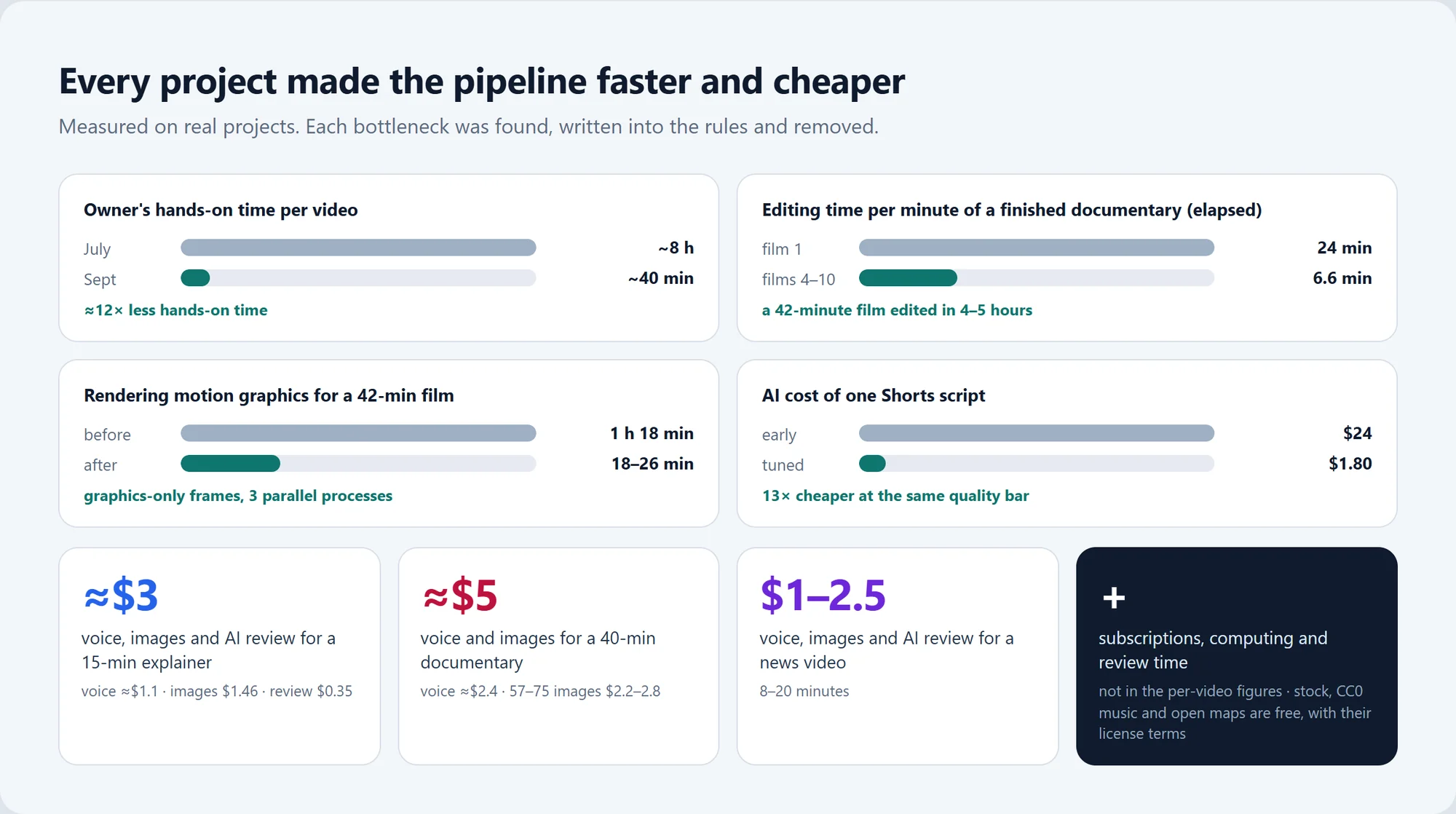
People only approve the topic and review the result (for Shorts, each batch), and hands-on time wasn't tracked separately. The one reference point: on the earlier 6–7 min format the owner reported ~40 minutes per video, down from ~8 hours of manual editing in July.
- Documentary editing: 24 minutes of elapsed time per finished minute on the first film, 6.6 from the fourth film on.
- Documentary script: 3 h 20 min → ~1 hour, after a hard time limit and tighter agent instructions.
- Graphics render, 42-minute film: 1 h 18 min → 18–26 minutes.
- AI cost per Shorts script: $24 → $1.80, 13× cheaper🚀 I moved bulk work to a lighter model with ready-made tools, and every batch now starts with a short pilot.
What it costs
These are tool costs per video — not the full cost of production, and not my price:
| Format | Voice, images, AI review | Breakdown |
|---|---|---|
| 15-minute explainer | ~$3 | voice ~$1.1 · images $1.46 · ChatGPT review $0.35 |
| 40-minute documentary | ~$5 | voice ~$2.4 · 57–75 generated images $2.2–2.8 |
| News investigation (8–20 min) | $1–2.5 | voice, a few images, review |
Voice is a share of the monthly ElevenLabs plan ($22 a month on the October plan), counted by the credits each video used. Images and the AI review are pay-as-you-go at API prices. A Shorts script costs ~$1.80–2 at API prices; in practice the subscription covered it.
On top: the Claude subscription ($100–200 a month, covers all agent work), the rendering computer and the owner's review time; the ElevenLabs plan is already inside the voice figures. Free stock, CC0 music and open maps cost nothing, but their licenses still apply.
The price for production or a setup for your project is agreed after a short brief.
What you'd need. If I make the videos: just the channel and posting access. If we set the pipeline up in-house: subscriptions for the services (Claude, voice, images, autoposting) and a computer that can render video — your team runs it, I maintain it.
How it was built
| Date (2026) | What happened |
|---|---|
| Jul 5 | Scan of 10,712 channels across ~30 niches: where do young channels break out? |
| Jul 6–9 | First version: one agent makes a whole video (script, voice, stock footage, assembly). The first video is done |
| Jul 29 | A video hand-finished over 8 hours becomes the quality bar for the pipeline |
| Aug 10–16 | Remotion motion graphics. The work splits into a writers' room (topics, scripts, packaging, analytics) and an editing shop that builds each video from the editor document |
| Aug 29 / Sep 3 | A new channel from zero, then its first hit |
| Sep 17 | First external client: Shorts in two languages for a calorie-tracking app |
| Oct 9–10 | True-crime niche research: 9,583 videos on 3,359 channels |
| Oct 30 | Finally, everything unified into one 8-stage pipeline with ChatGPT review and automatic QA |
| Nov 2–3 | Breaking-news channel with trend detection across 131 keywords |
How it's used today
- The home-tips channel goes one video at a time: the topic and the final cut are the owner's, everything in between, fix list included, is the pipeline's. Scheduled performance reviews feed the next topics.
- The app, on top of everything above, got scripts for another 70 topics in October.
- The documentary and news channels run as test channels: one is building its library, the other publishes within days of an event.
Who this is for
- YouTube channels with no one on camera, and production businesses that need a repeatable workflow for researched long-form videos.
- Apps, online services and consumer brands that need Shorts, Reels and TikToks every day, in one language or several.
- Documentary, history and educational channels where research and fact-checking take days.
- Content agencies that want more output without more hires — delivered under your own brand if you like.
Not a fit for guaranteed virality (nobody can promise views), AI avatars or deepfakes, reuploads of other people's videos, or videos that need a real person on camera.
Engineering details
Engineering details
Quality controls, and the errors they caught
- Fact-checking finds real errors. In one 43-minute documentary script, a separate check made 69 corrections, 56 of them factual: 10 outright errors, 31 inaccuracies and 15 claims that needed softer wording. One dramatic detail ("no fingerprints on it") turned out to be invented and was cut.
- Numbers get double-checked. Other checks caught a misread PDF that turned 17,291 into 71,291, and a $4.4 million settlement a secondary source had reported as $27 million.
- Attractive myths get dropped. "A spoon of tomato paste equals five tomatoes" turned out to be ~0.6 of a tomato, so that app Short was reworked.
- Research rules: court, FBI and Department of Justice records beat retellings, and quotes stay verbatim. No generated "archive" photos or documents, no fake camera footage, nothing graphic on screen.
- Lessons stick: ~270 memory notes and a dated log of 400+ decisions and fixes. When the first Shorts batch came out badly (36–39% silence and generated product labels with no text), the fix became a rule: real footage only, with direct links and timecodes.
Under the hood
| Layer | Technology |
|---|---|
| Orchestration | Claude Code: parallel sub-agents, rules files, structured project memory, a state file that survives long sessions |
| Research | yt-dlp, vidIQ, local speech recognition (faster-whisper), Google News RSS; primary sources: CourtListener, the FBI Vault, Wikimedia Commons, USDA, PubMed |
| Second opinion | ChatGPT via OpenRouter, structured debate, cost caps of $0.40 per round and $1.50 per video |
| Voice | ElevenLabs: word-level timestamps, gaps for real audio clips |
| Footage | Pexels stock, image generation via OpenRouter (~$0.034 per image) |
| Editing | ffmpeg 8 driven by Python 3.12 scripts, Remotion 4 (React) motion graphics, USGS and OpenStreetMap maps |
| QA | loudness metering, Windows' built-in OCR and face detection (offline and free) |
| Packaging | a .docx generator for scripts and packaging, chapters built from the final subtitles |
| Publishing | Python autoposting over a social-posting API: retries with backoff, reconciliation, client reports |